
Our Asphalt Process
Quality asphalt results come from a consistent process — from the first evaluation to final walkthrough and long-term aftercare guidance. Purpose Contracting Asphalt follows a proven workflow that prioritizes preparation, planning, durability, and clear communication.
Step 1 — Site Evaluation & Consultation
We start by understanding your goals, inspecting current conditions, and seeing how the pavement is used.
We evaluate:
- Existing surface condition (cracking, potholes, raveling, failures)
- Base stability and drainage patterns
- Traffic type (cars, heavy trucks, repeated turning, loading zones)
- Edge support and transitions
- Safety concerns and water flow areas
- Access needs (parking, business operations, delivery routes)
Step 2 — Proposal & Scope Definition
After evaluation, we provide a clear written proposal outlining the recommended solution and expectations.
Your proposal includes:
- Scope of work (what is included and what is not)
- Materials and methods (as applicable)
- Project assumptions (site conditions, access, staging)
- Estimated timeline and scheduling window
- Warranty terms (if applicable) and maintenance guidance
Step 3 — After Acceptance (Pre-Job Planning & Coordination)
Once your proposal is accepted, we begin job planning to ensure the project runs efficiently and safely.
Job Setup & Documentation
- Assign a job number for tracking, scheduling, and jobsite documentation
- Confirm customer contact info, site address, and access notes
- Create an internal work order and checklist
Permits, Approvals, and Requirements (if needed)
Depending on location and scope, we may coordinate:
- Municipal permits (street/sidewalk right-of-way, approaches, closures)
- HOA or property management approvals (if required)
- Site-specific rules for commercial properties (delivery windows, tenant access)
(Permitting needs vary by municipality and project type.)
Property Lines, Boundaries & Site Verification
Before work begins, we verify:
- Work area boundaries and agreed-upon limits
- Transitions to neighboring properties
- Any sensitive areas (utilities, landscaping, irrigation, drain structures)
- Any special conditions that could impact the job
Scheduling Window & Approximate Dates
Scheduling is based on:
- Weather conditions (asphalt performance depends on temperature and dry base)
- Material availability
- Project size and crew/equipment availability
- Access requirements (residential convenience, commercial downtime planning)
We provide an approximate schedule range and communicate updates as the start date approaches.
Utility Locates & Safety Planning
When applicable, we coordinate or require:
- Utility locate requests (e.g., call 811 before digging)
- Jobsite safety planning
- Traffic control planning for commercial lots or access drives
- Staging areas for equipment and materials
Mix Planning & Material Coordination
To ensure the right outcome, we plan:
- Correct asphalt mix selection (based on use, site conditions, and time of year)
- Quantity calculations and delivery timing
- Coordination with plants/suppliers to align paving windows
- Scheduling material pickup/delivery so the job stays on pace
Crew & Equipment Scheduling
We confirm:
- Proper crew size for the project scope
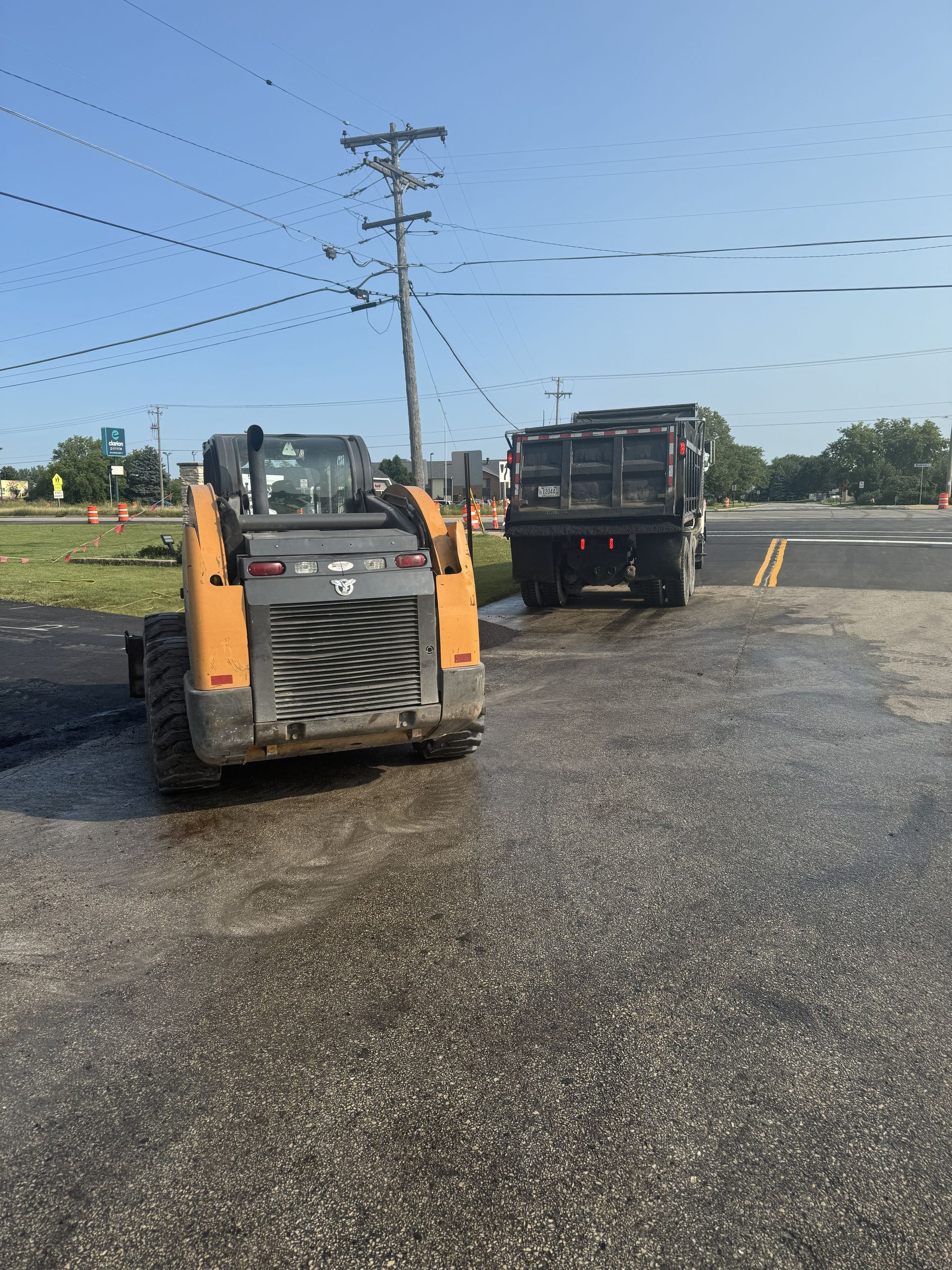
- Equipment assignments (skid steer, roller, paver, trucks, etc.)
- Sequence plan (prep first, then paving, then finishing)
Final Pre-Start Confirmation
Before mobilizing, we confirm:
- Access plan and where to stage equipment
- Any last-minute customer notes
- Work hours (especially for commercial properties)
- Site readiness (vehicles moved, gates unlocked, clear staging area)
Section: Step 4 — Site Preparation & Base Work
This is where long-term performance is won or lost.
Preparation may include:
- Removal of failing asphalt sections (as needed)
- Grading and shaping for water flow
- Base installation/correction and compaction
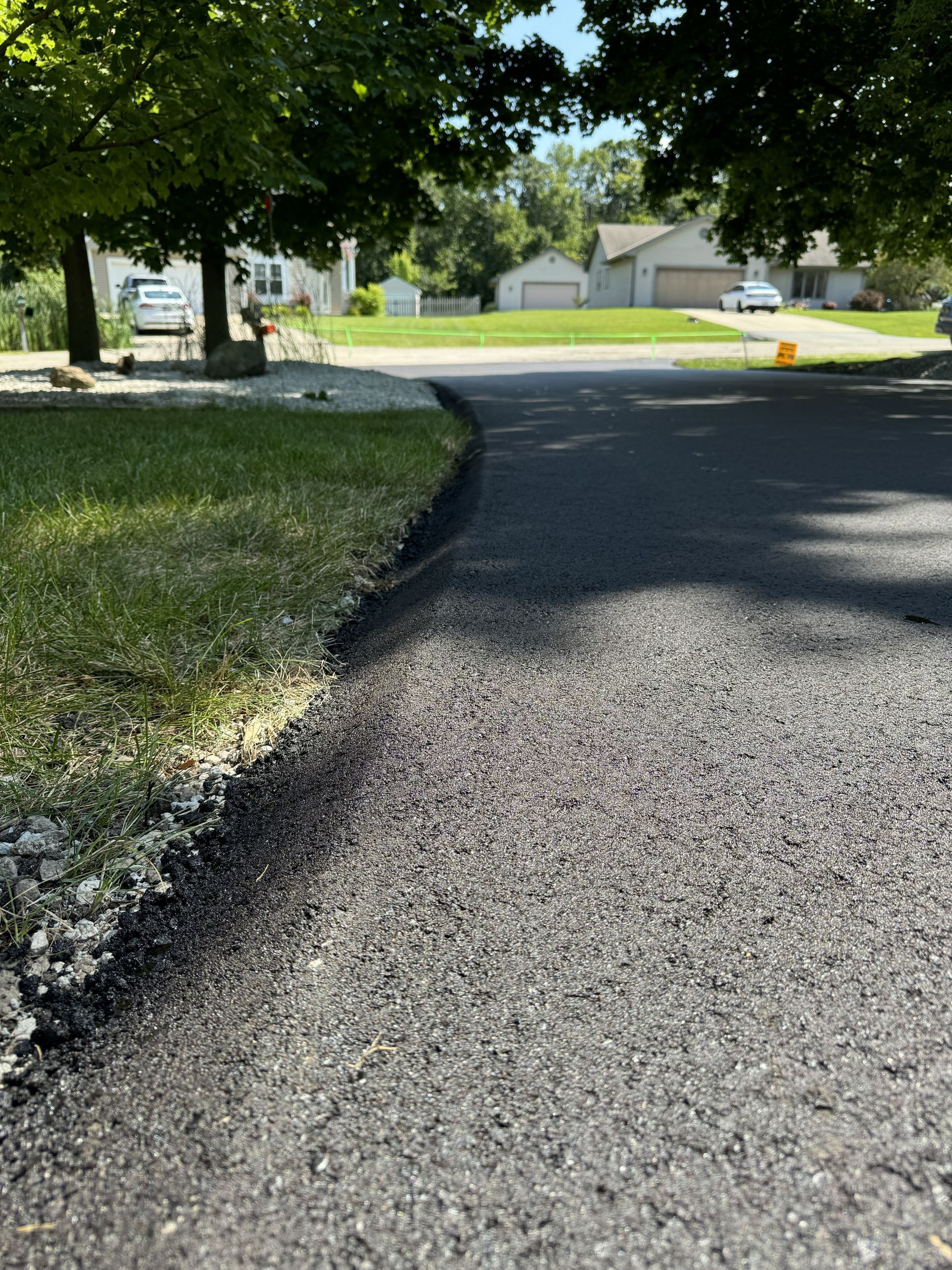
- Edge preparation and stabilization
- Cleaning and surface prep for overlays (when appropriate)
Step 5 — Asphalt Installation
We install asphalt according to the project requirements and scope.
We focus on:
- Consistent thickness
- Proper joint work and transitions
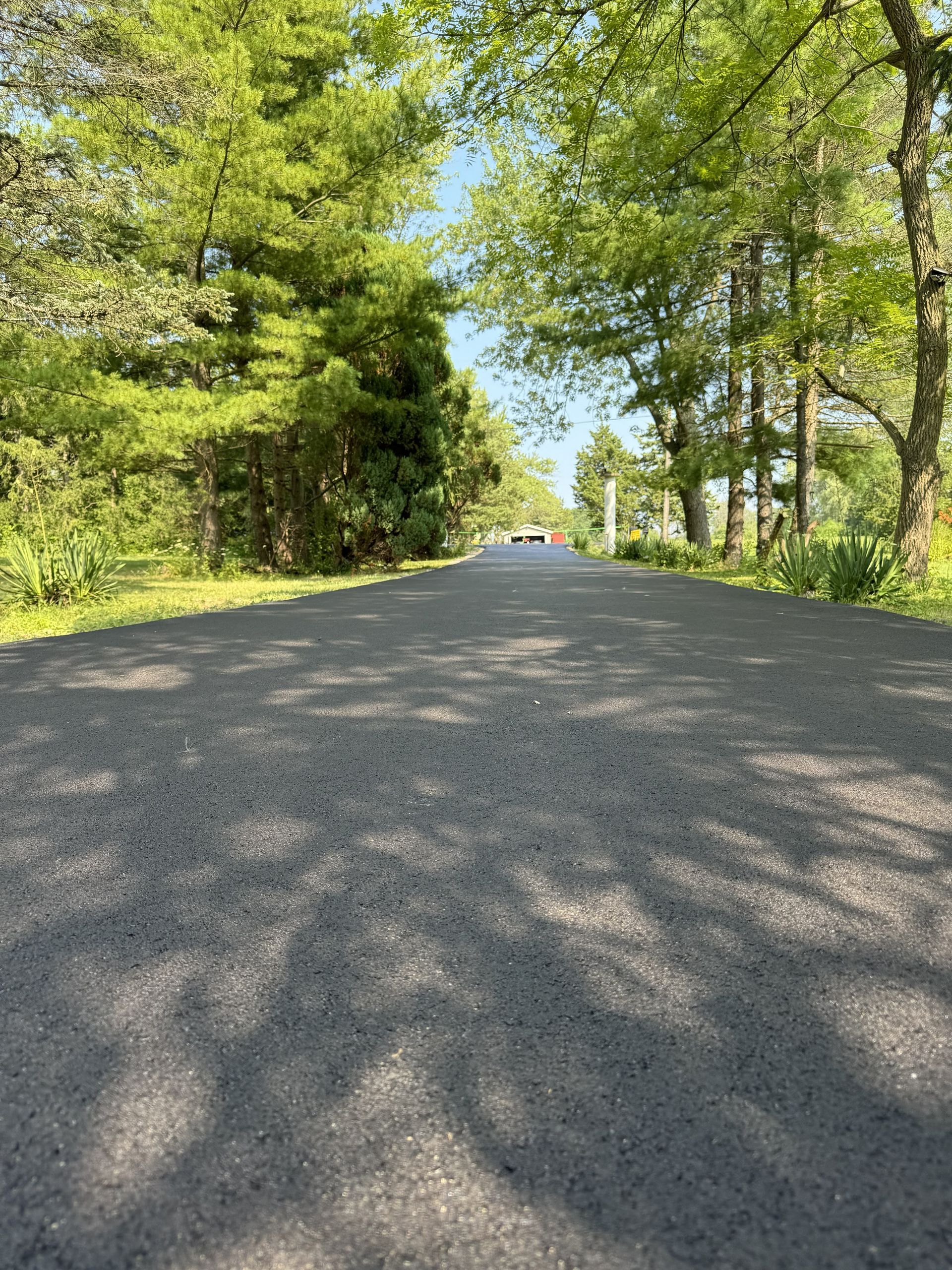
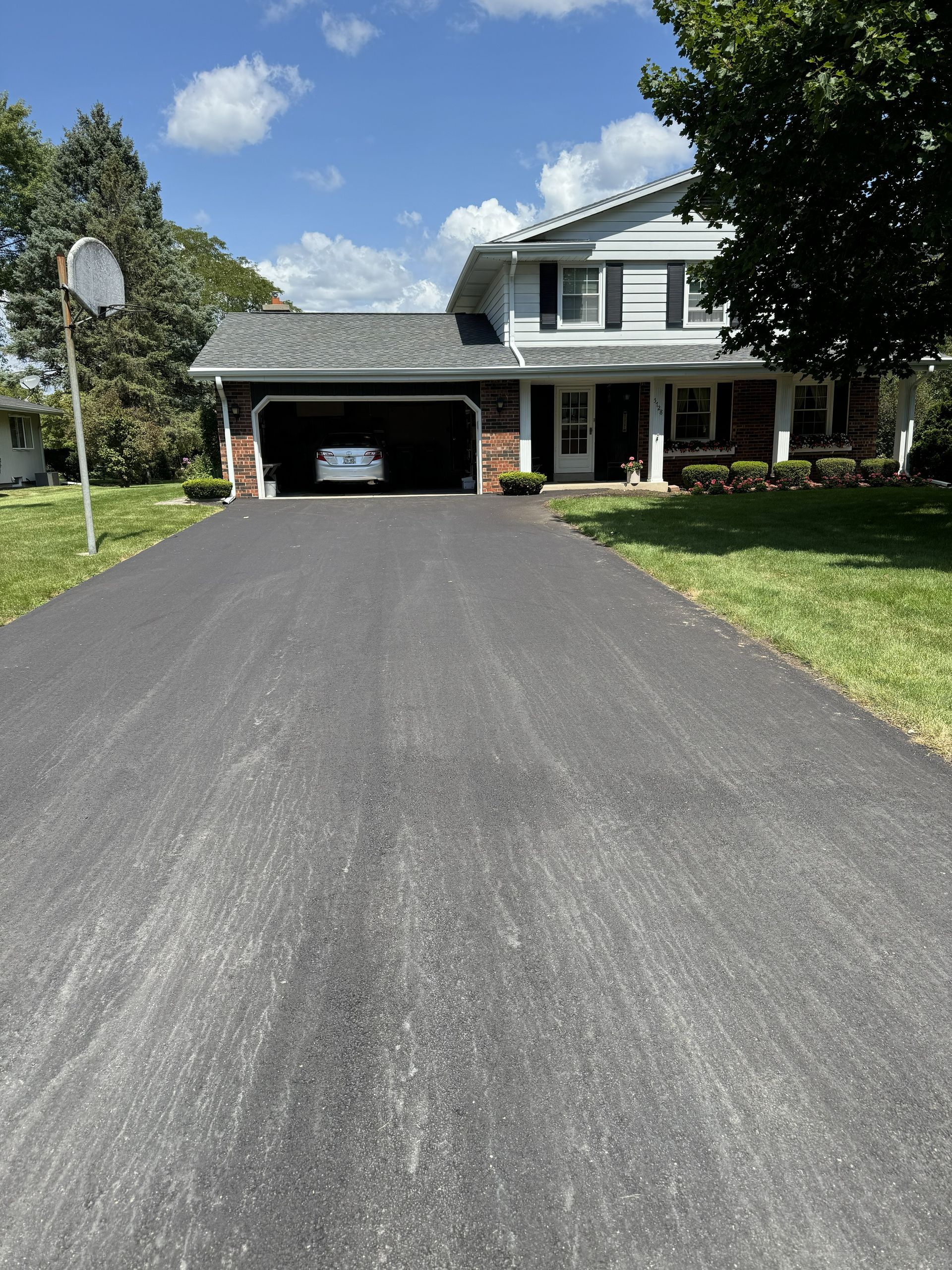
- Clean edges and smooth finish
- Efficient pacing (asphalt must be placed and compacted within the proper window)
Step 6 — Compaction & Finishing
Compaction is critical for strength and lifespan.
Finishing includes:
- Proper rolling patterns
- Slope checks for drainage
- Smoothness and surface consistency
- Final edge work and cleanup
Step 7 — Final Walkthrough & Next Steps
We review the finished work and share aftercare recommendations.
We provide:
- A final review of completed scope
- Guidance on cure time, traffic, and maintenance
- Instructions for sealcoating timing (when applicable)
- How to report concerns if anything appears unusual
Scope Changes / Change Requests
If anything changes from the original plan, we document it clearly and communicate it before moving forward. Any added work should be approved before it is completed.